Back to projects
Industrial
2024
Production
Elevator Monitoring System
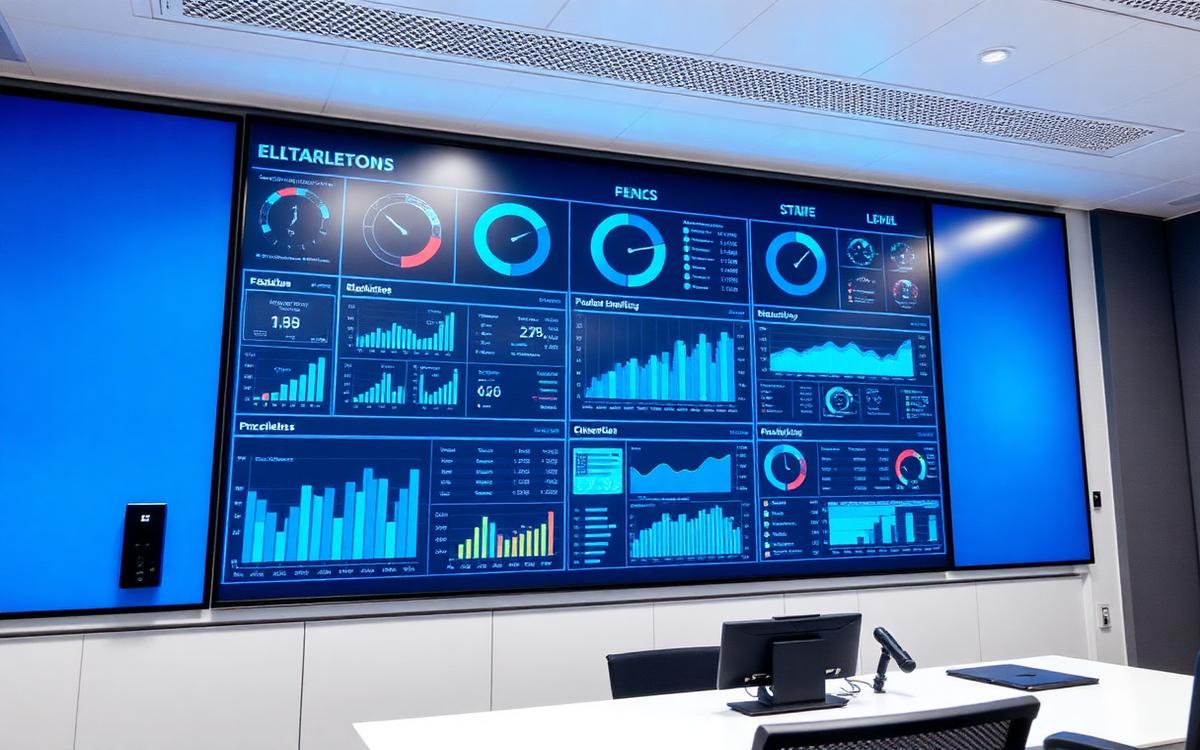
A end-to-end monitoring platform that reads elevator controller signals, streams them over MQTT, and presents live car position, door state, faults and usage analytics to building operators.
- Role
- Lead Engineer — firmware, backend, dashboard
- Duration
- 10 months
- Status
- Production
Background
Maintenance teams relied on tenant phone calls to learn that an elevator had stopped. There was no historical record of faults, so recurring issues were diagnosed from memory rather than data.
Problem
Elevator controllers exposed only dry contacts and Modbus registers, with no networking. Downtime was discovered late, root-cause analysis was guesswork, and service reports were written by hand.
Solution
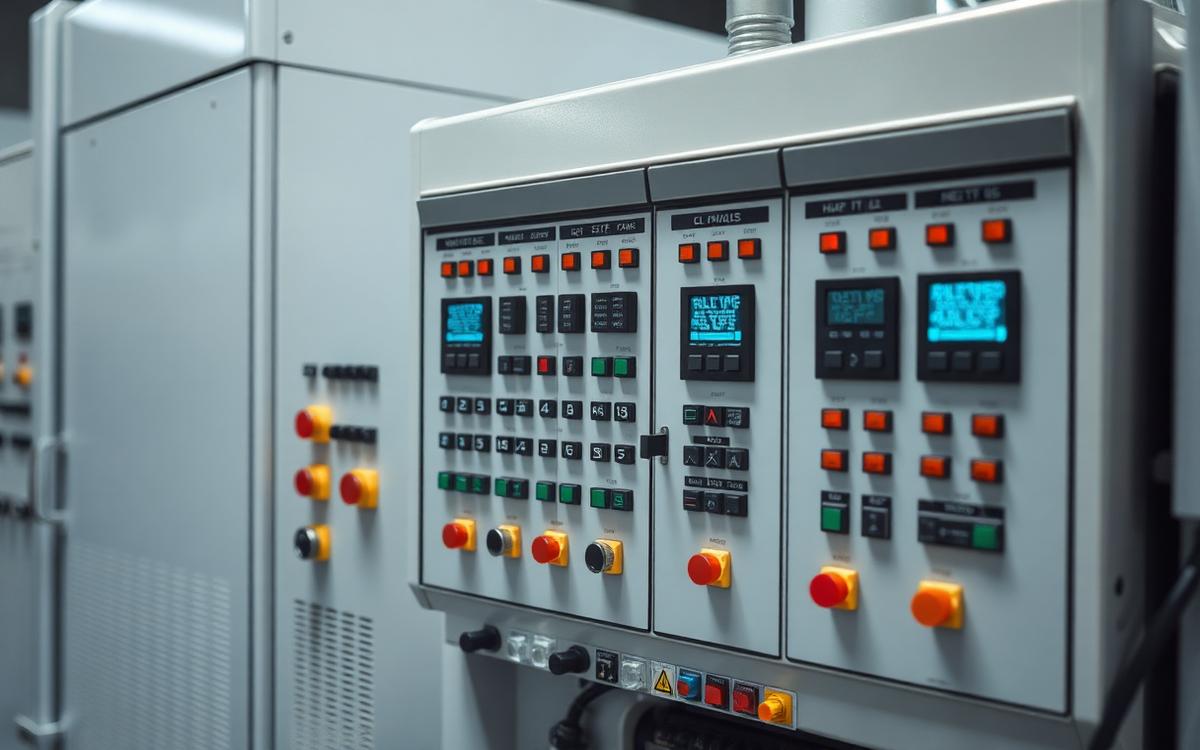
An ESP32-based gateway reads controller I/O and Modbus registers, publishes normalized events over MQTT with store-and-forward buffering, and a Node.js ingest service persists time-series data. A React dashboard renders live state per unit, with rule-based alerting to WhatsApp and email.
Features
- Live car position, direction and door state per unit
- Fault detection with severity classification and escalation rules
- Offline buffering so no event is lost during network outages
- Trip counters, run hours and usage heatmaps for preventive maintenance
- Role-based access for operators, technicians and management
- Exportable service reports in PDF and CSV
Architecture
- 1Field layer — elevator controller I/O and Modbus TCP registers
- 2Edge gateway — ESP32 firmware, normalization, local ring buffer
- 3Transport — MQTT broker with TLS and per-device credentials
- 4Ingest — Node.js consumer writing to PostgreSQL time-series tables
- 5API — REST + WebSocket for live subscriptions
- 6Client — React dashboard with virtualized unit grid
Challenges
- Building networks with intermittent connectivity required a durable edge buffer and idempotent ingest.
- Every elevator brand exposed different register maps, so a per-model mapping layer was introduced.
- Alert fatigue: initial rules fired too often and were replaced by debounced, severity-aware rules.
Lessons Learned
- Normalize at the edge — the cloud should never know vendor quirks.
- Operators trust a system only after it survives a real outage; design for the outage first.
- A small set of well-chosen metrics beats a dashboard full of gauges.
Gallery
Related projects
Industrial
Truck Monitoring System
GPS and telemetry tracking for logistics fleets with geofencing and driver behaviour reports.
View detailWeb
Library Management System
Circulation, cataloguing and member management platform for a campus library.
View detailWeb
Book Store
Online bookstore with catalogue, cart, checkout and order tracking.
View detail